
Dedicated to the Promotion and Preservation of American Muscle Cars, Dealer built Supercars and COPO cars. |
|
|||||||
| Register | Album Gallery | Thread Gallery | FAQ | Community | Calendar | Become a Paid Member | Today's Posts | Search |



|
|
|
Thread Tools | Display Modes |
|
|
|
#1
 01-29-2017, 08:40 PM
|
||||
|
||||
 Re: Gramma's Car: the new project!
And here's another glitch. It seems that the factory had some issue over the upper control arm bushing nuts coming loose so they tack welded the front driver's side nut on. I have seen this on other 1975 cars. It is only on the front nut of the driver's side.
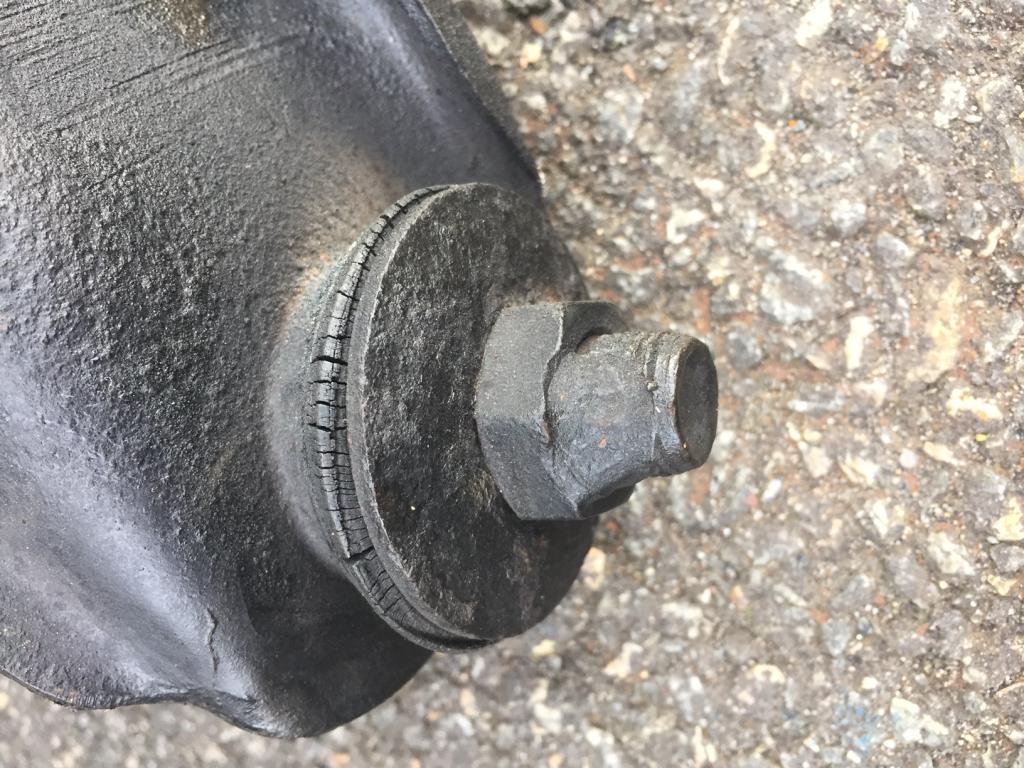 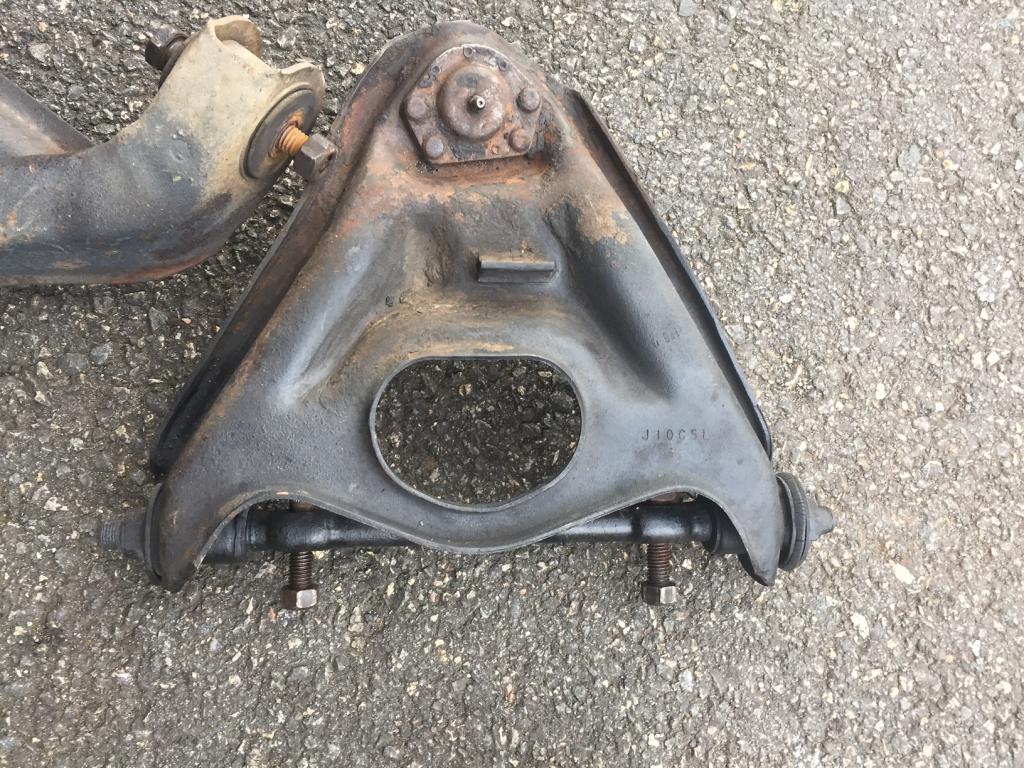 The passenger side does not have the tack weld but does have a different lock nut on the rear of the stud. 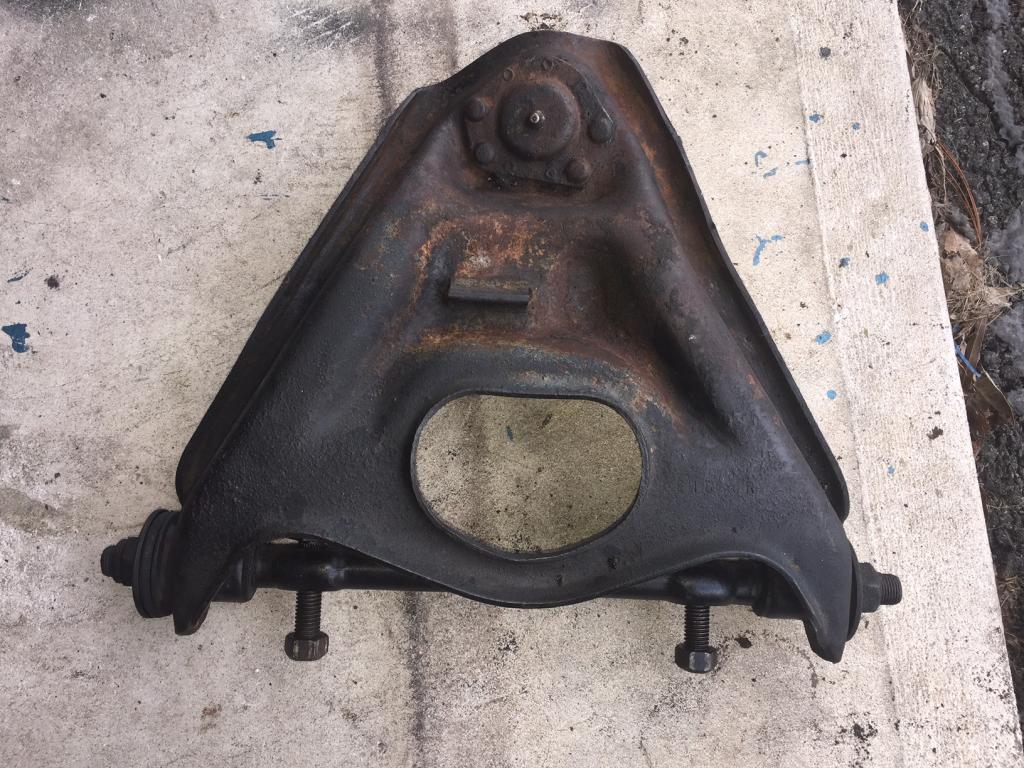 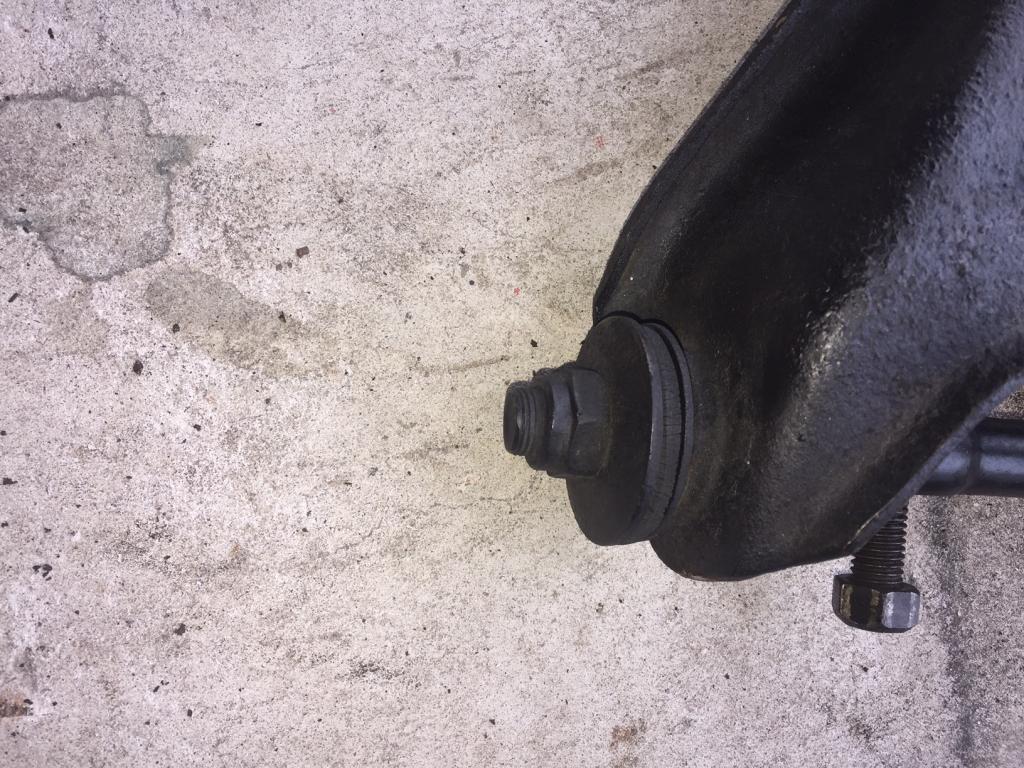 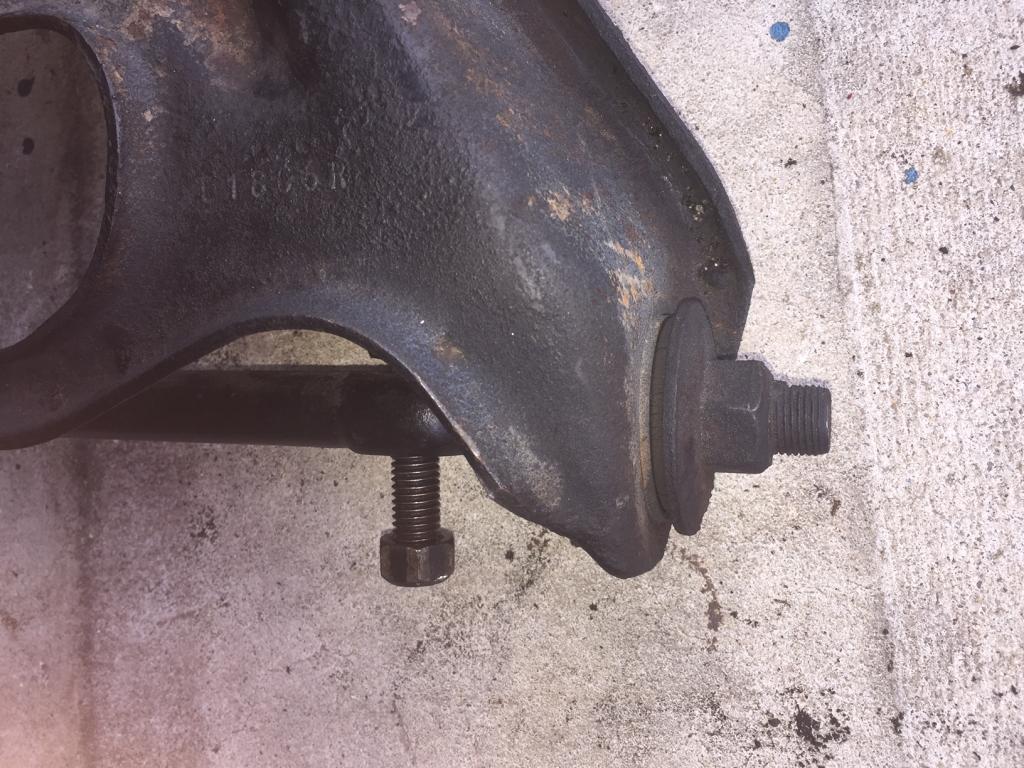 
|
|
#3
01-29-2017, 11:51 PM
|
||||
|
||||
|
Re: Gramma's Car: the new project!
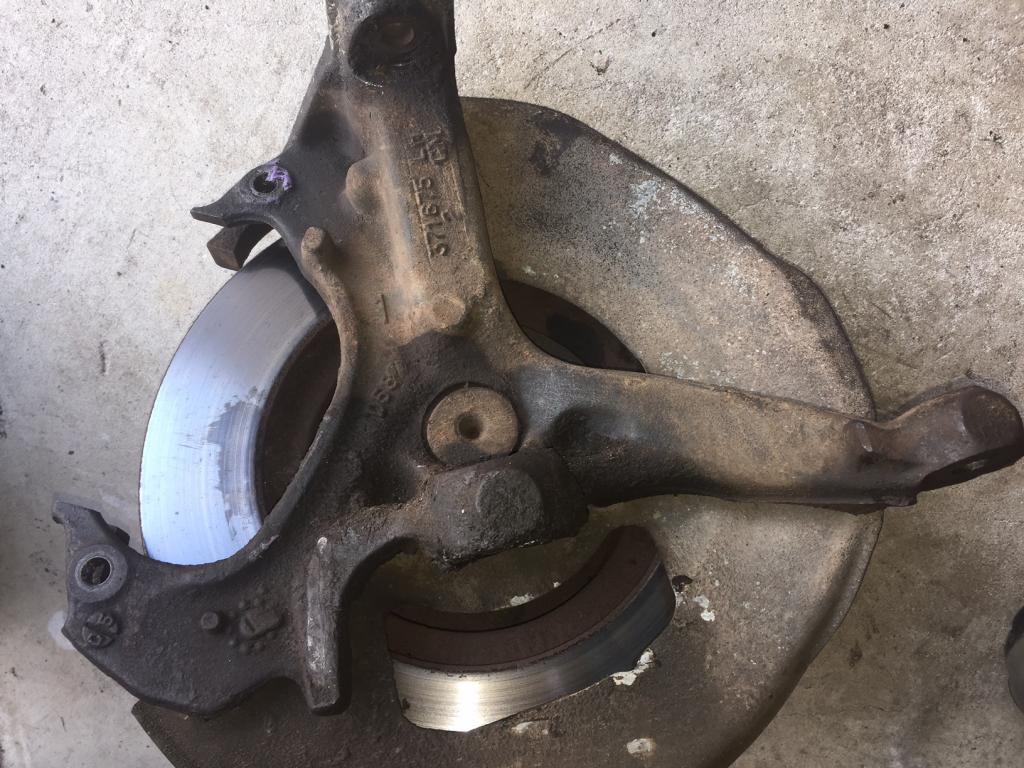
Well, the plot thickens. After perusing 42 years of old receipts it turns out that the Midas Muffler Shop my brother took the car to, replaced the driver's side spindle about 30 years ago when they did a brake job....and they used a 1978 spindle, and didn't bother to fully tighten the ball joint castle nut. Hence the "D58" date code on the spindle and the noticeably lighter duty casting than the passenger side spindle which is a 329354 spindle dated "G25". So I guess I need a 329353 spindle in case anyone has one sitting on a coffee table somewhere. I believe that this spindle was used on just about every disc brake GM car from 1970 to 1976.
Driver's side 1978 spindle:  Original 1975 passenger spindle: 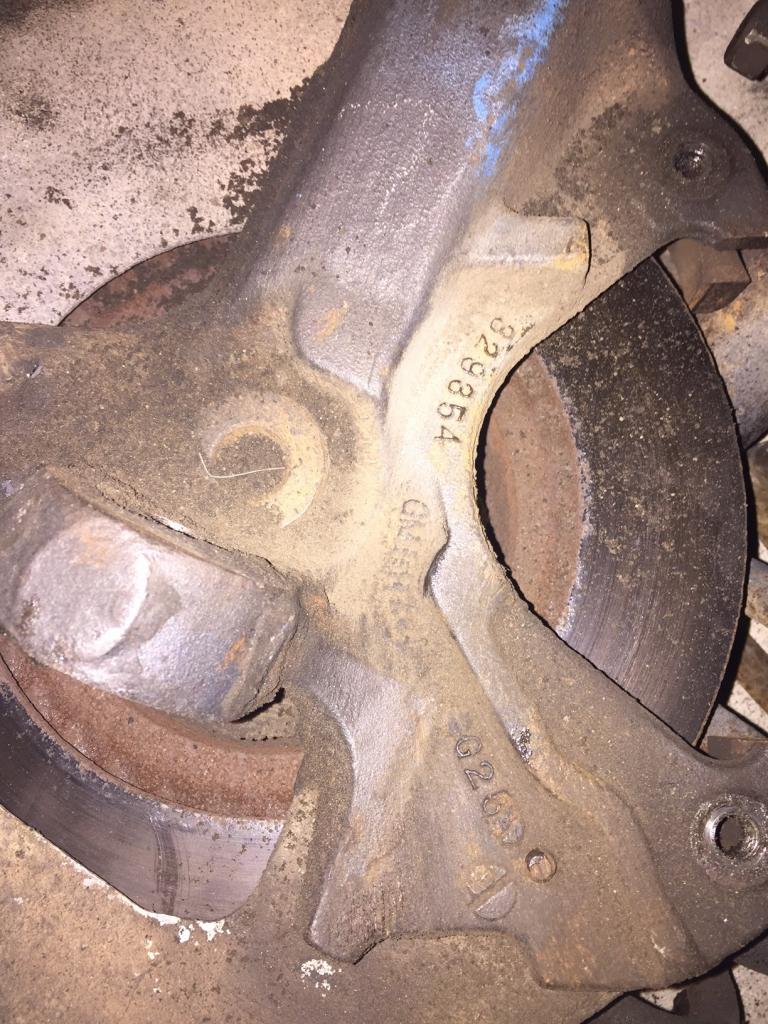
|
|
#4
01-31-2017, 01:52 AM
|
||||
|
||||
|
Re: Gramma's Car: the new project!
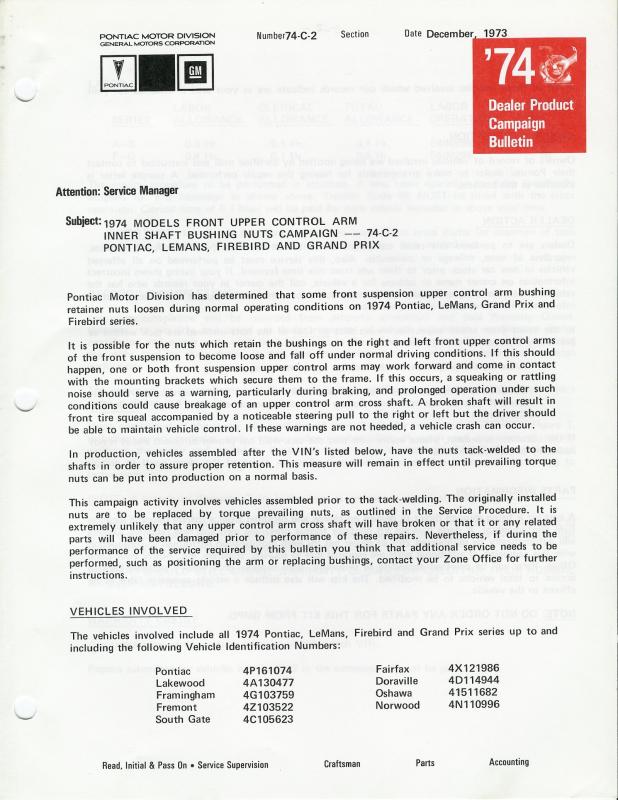
One of the guys on the Performance Years website found this TSB. It talks about the welded nut on the control arm but doesn't give a reason for it being there.
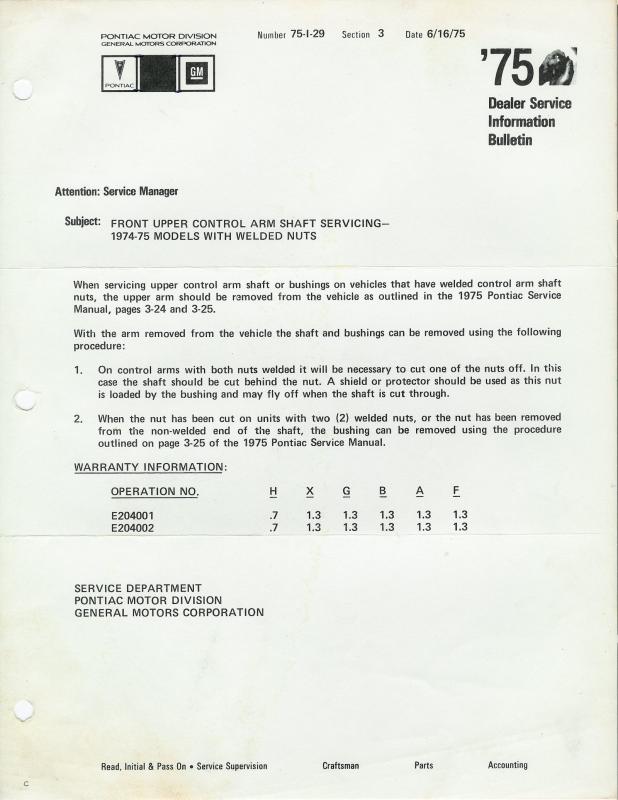
|
|
|
|




 Hybrid Mode
